
In-Depth Product Analysis for Informed Consumer Choices
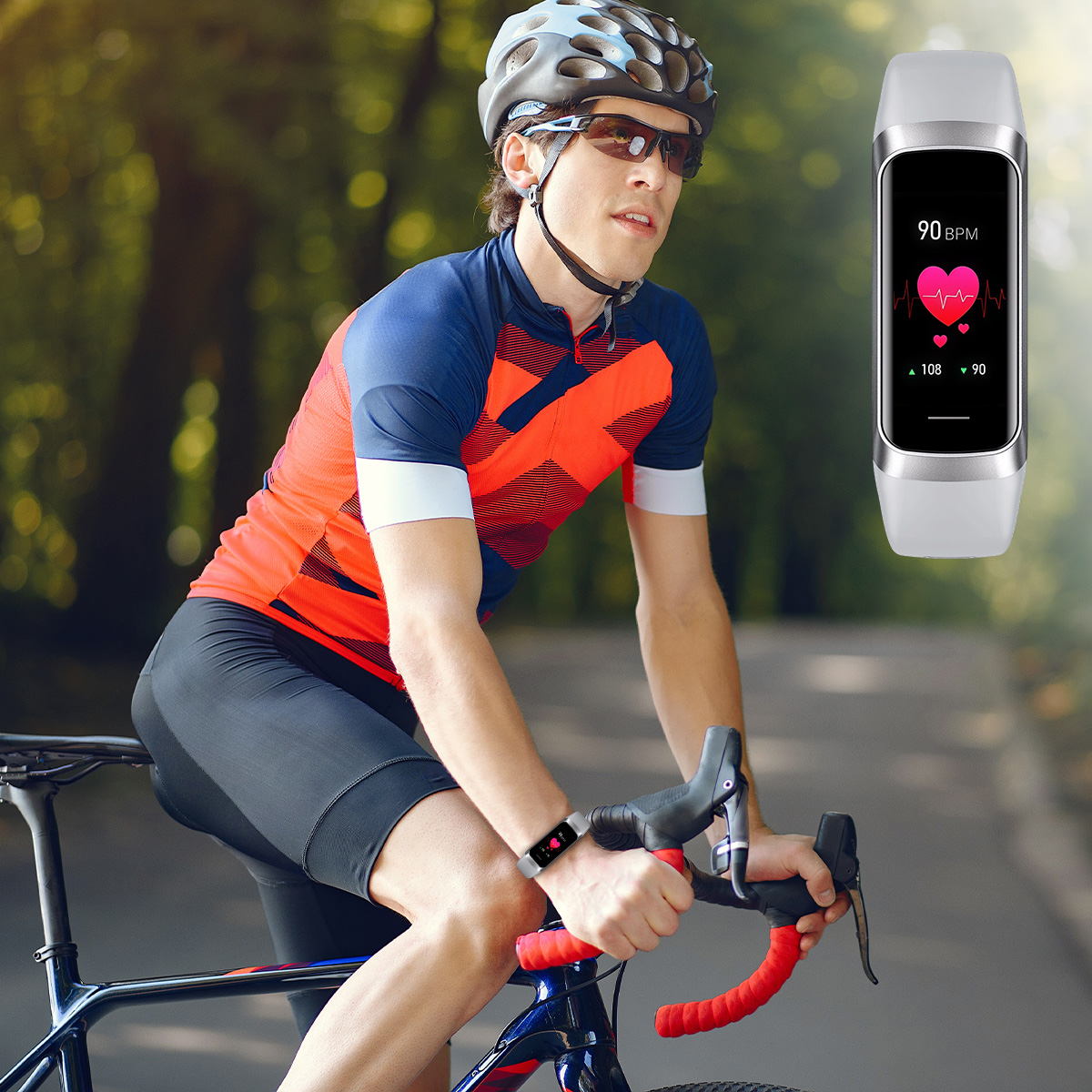
Have you ever set a fitness goal and wished you had the right tool to track your progress? Finding the right fitness tracker as a beginner can be challenging, especially with so many options on the market. Many devices promise to help you reach your goals but end up being complicated to use or lacking essential features.
Having tested various models, I’ve compiled a list of the best 5 fitness trackers for beginners. These trackers are designed to offer accurate data, ease of use, and long-term value—perfect for anyone looking to improve their fitness. Whether you’re just starting or want to monitor your progress, these devices cater to different fitness needs, from basic step counting to advanced heart rate tracking.
I know the frustration of buying a fitness tracker only to find it doesn’t deliver what you need. That’s why this guide focuses on trackers that balance affordability, functionality, and comfort, ensuring you get the best for your investment.
Whether for yourself or as a gift for someone starting their fitness journey, this guide will help you find the right tracker to support your goals and keep you motivated as you move toward better health.

With over 8 years of experience reviewing fitness trackers and personally testing more than 120 models, Lucas Quinton provides objective advice, helping individuals of all fitness levels select user-friendly, reliable trackers with accurate metrics, easy synchronization, and a seamless integration into their daily routines.
Assesses real-world reliability of heart rate, step count, sleep, and workout metrics across various activities.
Evaluates screen clarity, touch responsiveness, and sensor precision in different lighting and movement conditions.
Measures long-term wearability, strap fit, and actual battery performance versus manufacturer claims.
Tests Bluetooth stability, smartphone app usability, notifications, and compatibility with third-party health platforms.

from Noxus
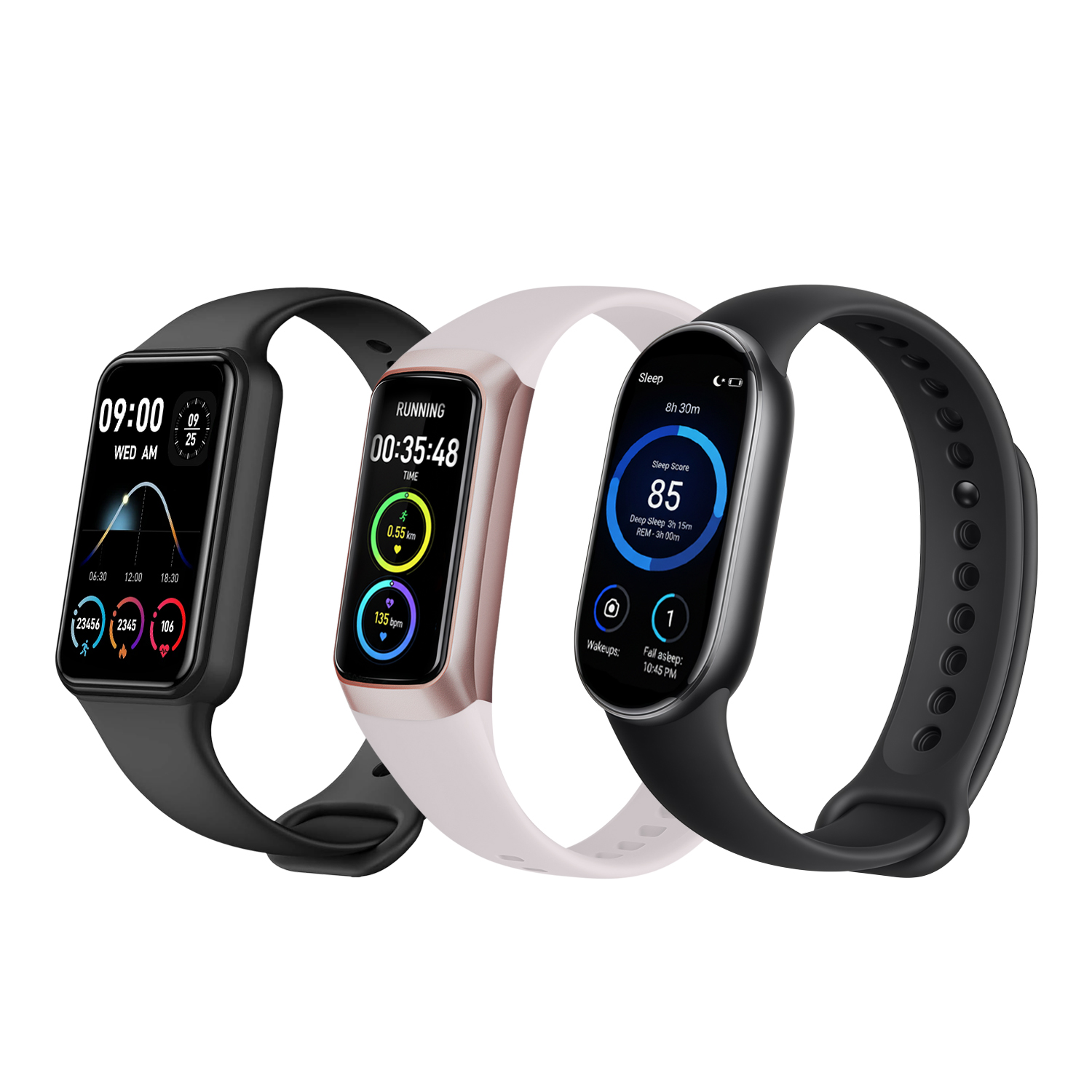
Having personally purchased and used the Noxus Fitness Tracker for several weeks, I can confidently say it is a highly capable and well-rounded wearable designed for everyday health monitoring and fitness support. From daily activity tracking to sleep and wellness insights, it has become a seamless part of my routine both at work and during workouts.
One of the standout strengths is its 24/7 health tracking, which continuously monitors heart rate, blood pressure, and blood oxygen levels. This constant data collection provides valuable insights into overall wellness and helps identify patterns that would otherwise go unnoticed. Combined with 25 sport modes, the tracker delivers accurate and reliable metrics for activities ranging from walking and running to cycling and swimming.
Battery performance is another major highlight. With 7–10 days of regular use and up to 30 days on standby, the Noxus Fitness Tracker easily outperforms many competitors. The magnetic charging system is simple and convenient, making recharging quick and hassle-free. Its IP67 waterproof rating also adds confidence for daily wear, including workouts and swimming sessions.
The 1.1-inch AMOLED display is vibrant, sharp, and easy to read in both indoor and outdoor conditions. Paired with multiple customizable watch faces, it allows for a personalized look that fits different styles and moods. The tracker is also lightweight and ergonomically designed, ensuring all-day comfort without irritation.
Another impressive feature is family health tracking, which allows monitoring health data for multiple family members—an especially valuable addition for households focused on wellness.
There are a couple of minor drawbacks. The device is sometimes out of stock due to high demand, and delivery can take 1–2 days longer than some leading competitors.
Despite these small inconveniences, the Noxus Fitness Tracker stands out as a reliable, feature-rich, and excellent-value device, making it a strong choice for anyone seeking comprehensive health and fitness monitoring.
24/7 Health Tracking — Monitors heart rate, blood pressure, and oxygen
Fitness Support — 25 sport modes for accurate tracking
Long Battery Life — 7-10 days of use, 30 days standby
Simplified Charging — Easy magnetic connection
Waterproof — IP67, suitable for swimming
Global Compatibility — Supports 10 languages, including English, Chinese, etc
Vibrant Display — 1.1-inch AMOLED screen, clear and colorful
Customizable Style — Multiple watch faces, fully customizable
All-Day Comfort — Lightweight and ergonomic design
Family Health — Tracks multiple family members’ data
The Noxus Fitness Tracker stands out in accuracy, usability, and long-term reliability, delivering a polished experience that feels thoughtfully engineered rather than rushed. Its intuitive operation and consistent performance make daily tracking effortless. As a balanced and dependable wearable, it proves to be a smart, worthwhile investment for sustainable health monitoring.

from Amazfit
B+
9.3/10
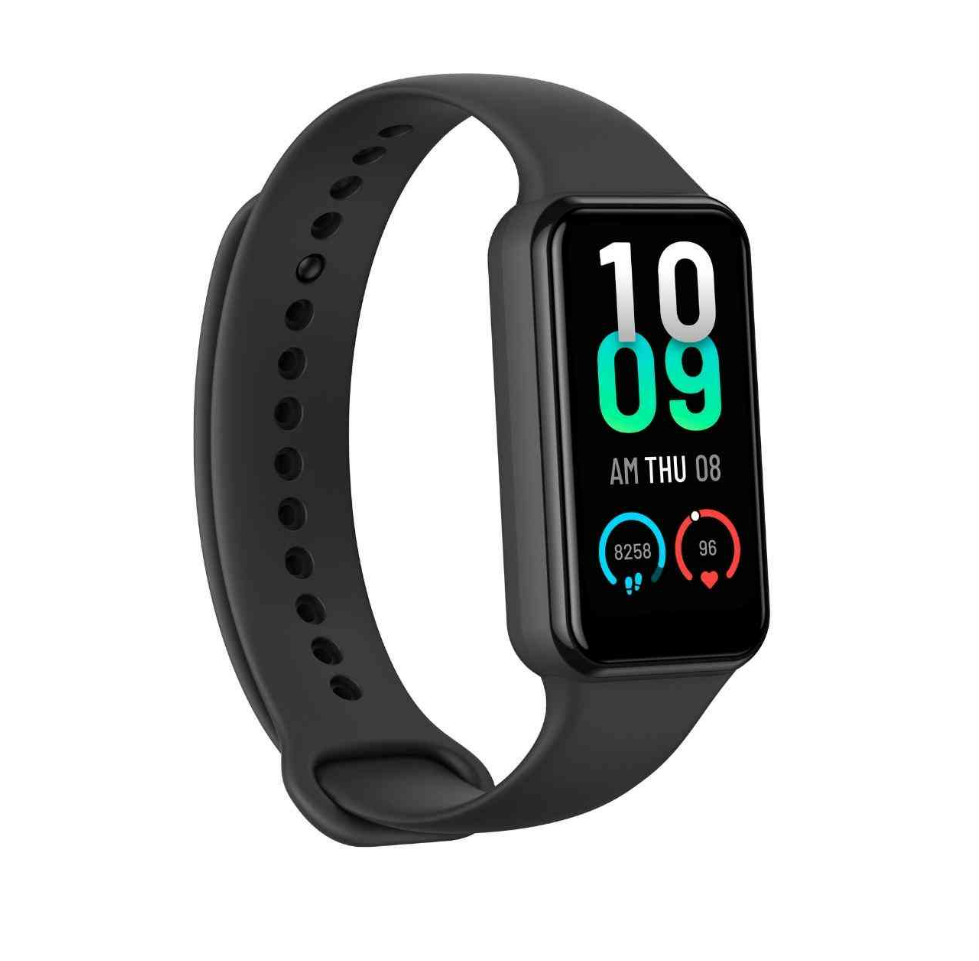
The Amazfit Fitness Tracker is a reliable and practical wearable designed for users who want essential health and activity tracking without unnecessary complexity. One of its strongest advantages is the long battery life, lasting up to 14 days on a single charge, which greatly reduces the need for frequent recharging. Its compact oval design is lightweight and comfortable, making it suitable for all-day wear, including during sleep.
In terms of health features, the tracker provides comprehensive monitoring, such as heart rate and sleep tracking, helping users better understand their daily wellness patterns. It also includes multiple sports modes, allowing accurate tracking across a variety of workouts, from walking and running to indoor training. These features make it a solid companion for everyday fitness needs.
That said, there are a few limitations to consider. The Amazfit Fitness Tracker does not include built-in GPS, so outdoor activity tracking relies on a connected smartphone. Additionally, the touchscreen response can feel slow, and the screen brightness is limited in direct sunlight, which may affect visibility outdoors. Smart features and third-party app support are also relatively basic.
Overall, the Amazfit Fitness Tracker is a well-rounded choice for everyday use, especially for users prioritizing battery life, comfort, and core fitness tracking.

from Fitbit
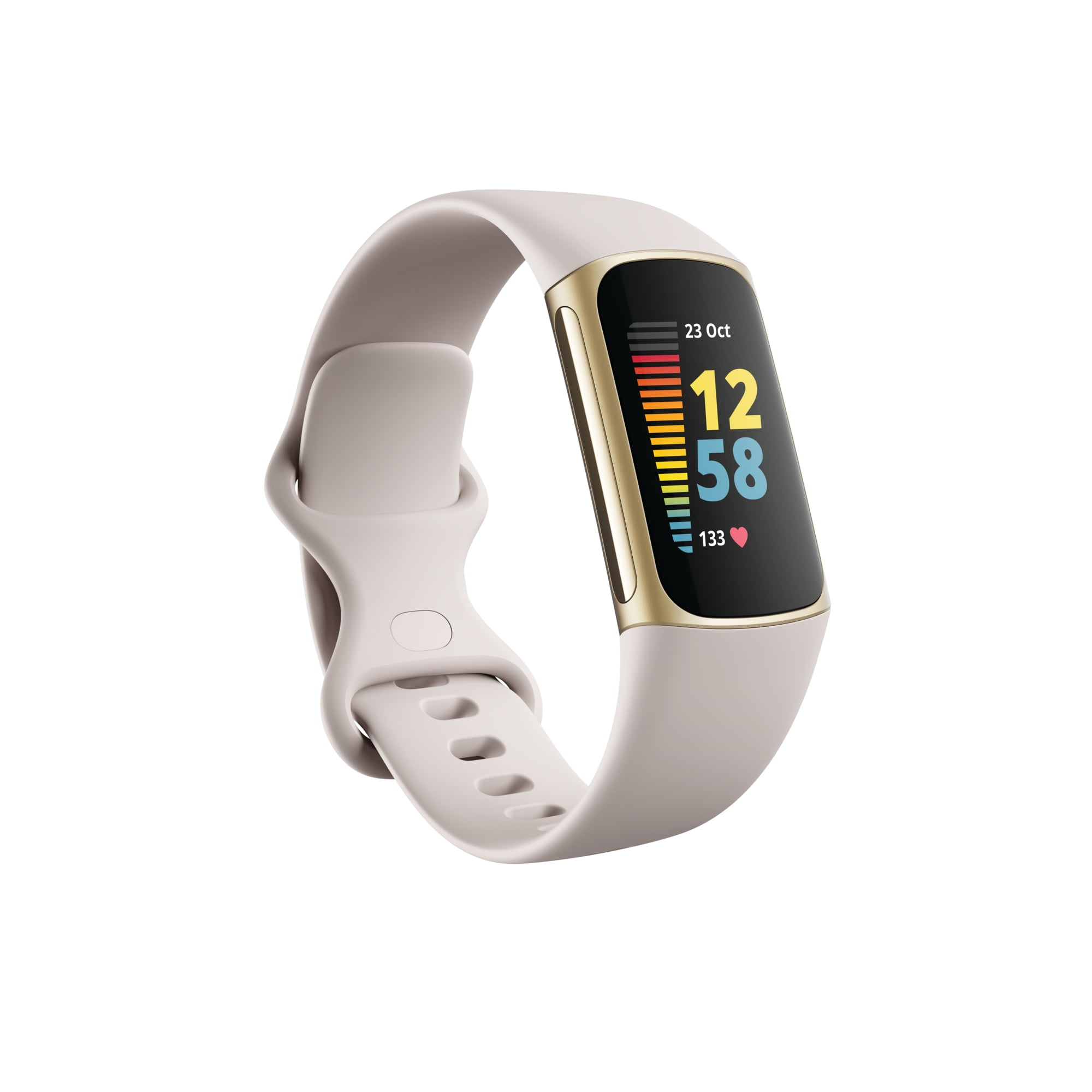
The Fitbit Charge 5 Fitness Tracker is a well-rounded wearable that excels at daily health and activity monitoring while remaining comfortable enough for all-day wear. Its long battery life and compact, oval design make it easy to keep on around the clock without irritation. The tracker offers comprehensive health insights, including heart rate, sleep, and stress tracking, giving users a clear picture of their overall wellness trends. With support for multiple sports modes, it’s versatile enough to track a range of activities, from walking and cycling to workouts at the gym.
Despite these strengths, there are a few notable limitations. The Fitbit Charge 5 lacks built-in GPS, meaning outdoor workout routes and pace metrics rely on a connected smartphone. The touchscreen can sometimes feel slow to respond, which may frustrate users during quick interactions. Additionally, the screen tends to be dim in bright sunlight, making it less readable outdoors. While the device includes essential smart features, they are somewhat limited, and third-party app support is minimal, reducing flexibility for users who want deeper integration with other fitness platforms or advanced customization.
Overall, the Fitbit Charge 5 remains a solid choice for everyday fitness and wellness tracking, especially for users focused on comfort, battery life, and core health metrics.

from Whoop
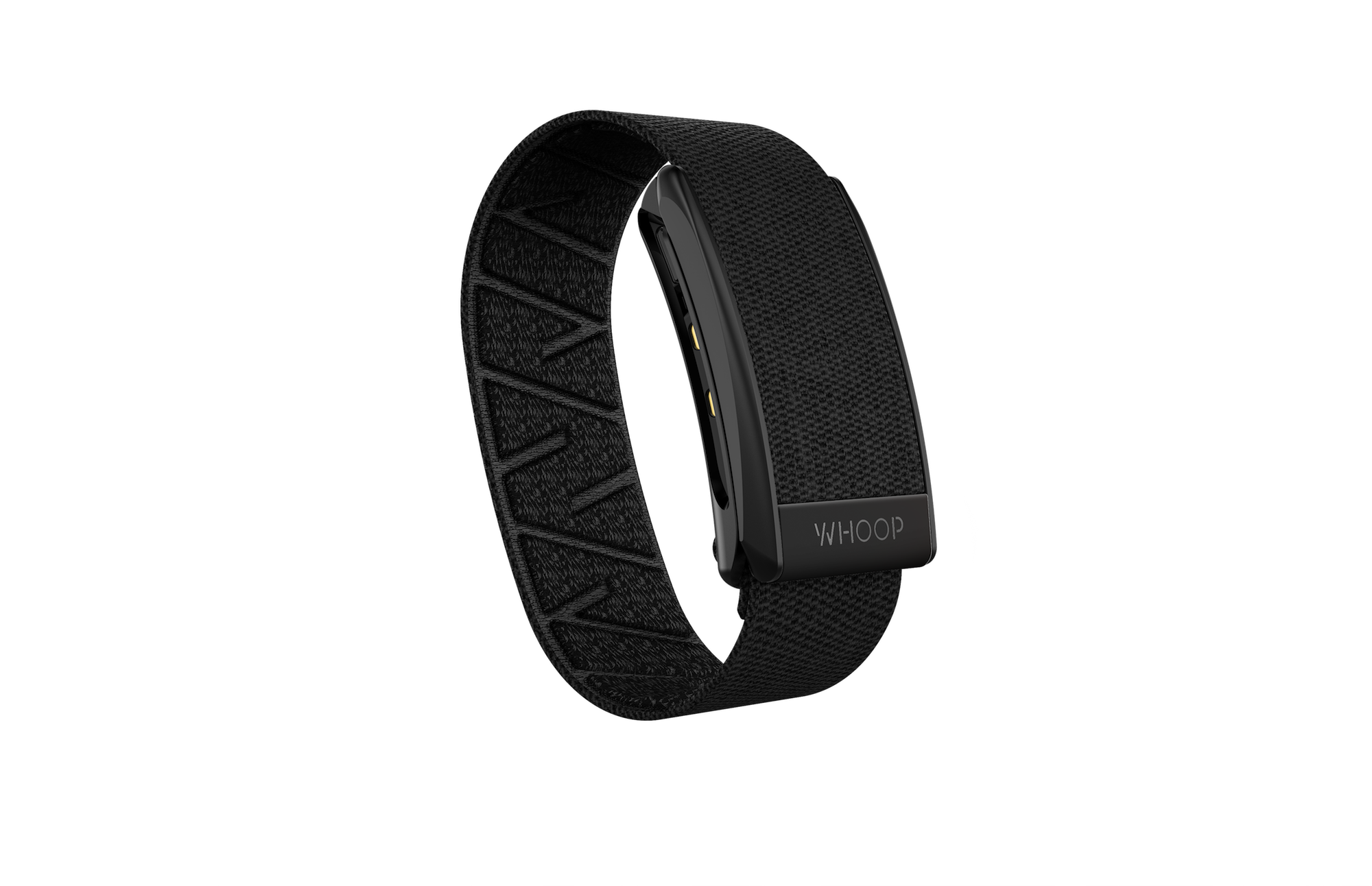
The Whoop Fitness Tracker is a specialized wearable designed for athletes and serious fitness enthusiasts who want deep recovery and performance insights. It delivers comprehensive recovery tracking, including sleep quality, heart rate variability, and daily strain, giving users a clearer picture of how their body is responding to training and rest. These actionable metrics help guide decisions on when to push harder and when to prioritize recovery—making it a valuable tool for performance management.
Its lightweight, low-profile design ensures the band is comfortable for 24/7 wear, which is essential for accurate, continuous data collection without irritation. Because Whoop focuses intensely on recovery and strain instead of basic step-counting, the data it provides can offer highly personalized insights into your overall fitness journey.
There are, however, a few trade-offs. Full access to Whoop’s analytics requires a subscription, and the tracker lacks a built-in display, meaning data must be viewed in the companion app. It can also under-detect certain workouts, and charging is somewhat awkward compared to other bands. The depth of data can feel overwhelming, and smartwatch functionality is limited, making the device less versatile for casual users.
Overall, the Whoop is an excellent choice for dedicated athletes focused on performance and recovery, but may be more than necessary for everyday fitness tracking.

from Garmin
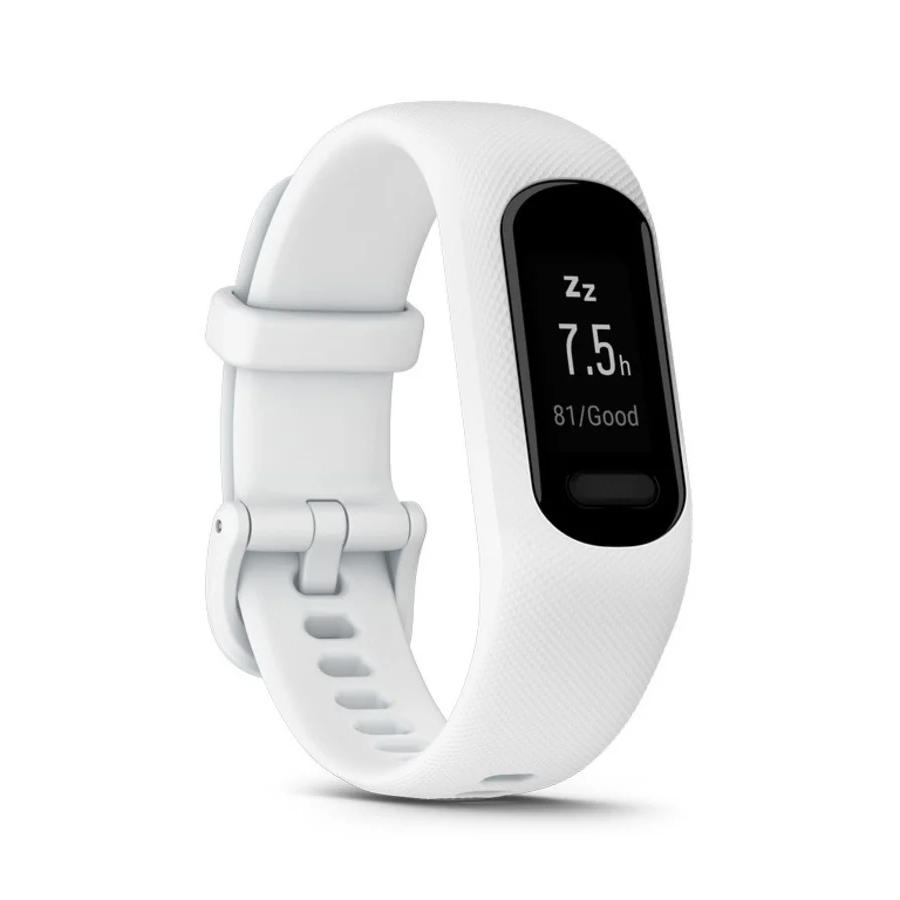
The Garmin Vivosmart Fitness Tracker delivers dependable health and sleep tracking in a slim, lightweight design that’s comfortable for all-day wear. It continuously monitors steps, heart rate, and sleep patterns, giving users a clear view of everyday activity and overall wellness. Its unobtrusive profile makes it easy to wear during work, workouts, and rest without irritation.
Despite its strengths, there are some limitations to consider. The Vivosmart lacks built-in GPS, so accurate distance and pace tracking during outdoor workouts depends on a connected smartphone. The small display can also make reading stats challenging, especially during workouts or while on the go. While it includes basic smart notifications, advanced smartwatch features are limited, and power users may find that functionality doesn’t match more fully featured wearables.
Battery life is generally good, but it may decrease with heavy use, particularly with frequent heart rate and notification tracking. Additionally, the heart rate accuracy can vary during intense exercise, making it less ideal for serious training.
Overall, the Garmin Vivosmart remains a reliable daily fitness tracker, well-suited for casual users focused on basic health and activity monitoring, but it may lack the depth and features sought by athletes and data-driven users.
Fitness trackers are wearable devices designed to monitor and enhance physical activity, health, and overall wellness. These compact gadgets track metrics such as heart rate, steps, calories burned, sleep patterns, and sometimes stress levels, providing real-time insights to optimize daily routines.
The primary purpose of a fitness tracker is to help users stay active, set goals, and maintain a healthier lifestyle through continuous monitoring and personalized feedback. They’re ideal for athletes, fitness enthusiasts, or anyone seeking a data-driven approach to wellness.
Modern fitness trackers feature lightweight designs, intuitive touchscreens, and smart notifications. Many support multiple sports modes, GPS tracking, and connectivity with smartphone apps for detailed analytics. Some even monitor blood oxygen, menstrual cycles, and recovery metrics.
By combining health tracking with motivational insights, fitness trackers offer a convenient, all-day companion for improving fitness, maintaining consistency, and making informed lifestyle choices.
Real-time health monitoring: Access vital data instantly, including heart rate, blood oxygen levels, and stress scores, providing a deeper understanding of your body’s status throughout the day.
Personalised coaching: Leverage AI-driven insights that analyse your exercise patterns to suggest optimised recovery times and intensity levels based on your current physical condition.
Sleep optimisation: Improve your rest through detailed sleep hygiene analysis, where the device identifies various sleep stages and offers actionable tips for better sleep quality.
Seamless activity tracking: Automatically record everything from daily steps and calorie burn to specific sporting activities without manual input, making it effortless to reach your goals.
Motivational goal setting: Maintain focus and motivation with visual progress reports, challenges, and sedentary reminders that encourage a more active lifestyle.
Discreet connectivity: Stay updated with essential notifications and calls directly on your wrist, allowing you to keep your phone tucked away during workouts or in social settings.
Customisable interfaces: Personalise the display and functions to prioritise the information that matters most to you, whether it is marathon training, mindfulness, or general wellness.
Battery life limitations: Intensive tracking features like GPS, heart rate, or continuous sleep monitoring can drain the battery quickly, requiring frequent charging.
Display visibility issues: Small screens or dim displays may be hard to read in bright sunlight or during outdoor workouts.
Accuracy of sensors: Heart rate, step count, and calorie estimates can vary between models, so choose one with reliable sensors.
Comfort and fit: All-day wear demands lightweight, ergonomic designs, especially for wrist sizes that may not fit standard bands.
App compatibility: Ensure the tracker syncs seamlessly with your smartphone and preferred health apps for full data insights.
Learning curve: Advanced features like multi-sport modes, stress tracking, or sleep analysis may require time to understand and use effectively.
Overpaying for unnecessary features: Avoid models with flashy extras that don’t improve core tracking, which can waste money.
Ignoring sensor accuracy: Cheap trackers may provide unreliable heart rate, sleep, or step data, reducing their usefulness.
Choosing uncomfortable designs: Bands that are too tight, heavy, or rigid can cause irritation during all-day wear.
Overlooking app limitations: Some trackers have poorly designed apps or limited compatibility with your smartphone ecosystem.
Rushing into trendy models: Newly released devices may have bugs or incomplete features that get fixed in later versions.
With over 8 years of experience reviewing fitness trackers and personally testing more than 120 models, Lucas Quinton provides objective advice, helping individuals of all fitness levels select user-friendly, reliable trackers with accurate metrics, easy synchronization, and a seamless integration into their daily routines.